People & community
Roles, not heroes.
A project this size is a handful of people making decisions in front of each other. Here is who they were and what each of them decided. A person is named only where their name is shown on screen in an interview the project has published; everyone else appears as a role. Photographs that show a face are published on the project owner's statement that the written permission covers them, and are removed on request.
The workshop
Made by hand, paid by the job.
About five local makers, paid per job.
( 01 )
Residents of Kelurahan Cipawitra
What they did
- Named the three needs the project could hear: disposal points, burning, nowhere to sit.
- Pointed to where units would actually be used.
- Sat on the chairs for three days before accepting them.
What they decided
What counted as a need, and whether the first chairs were good enough.
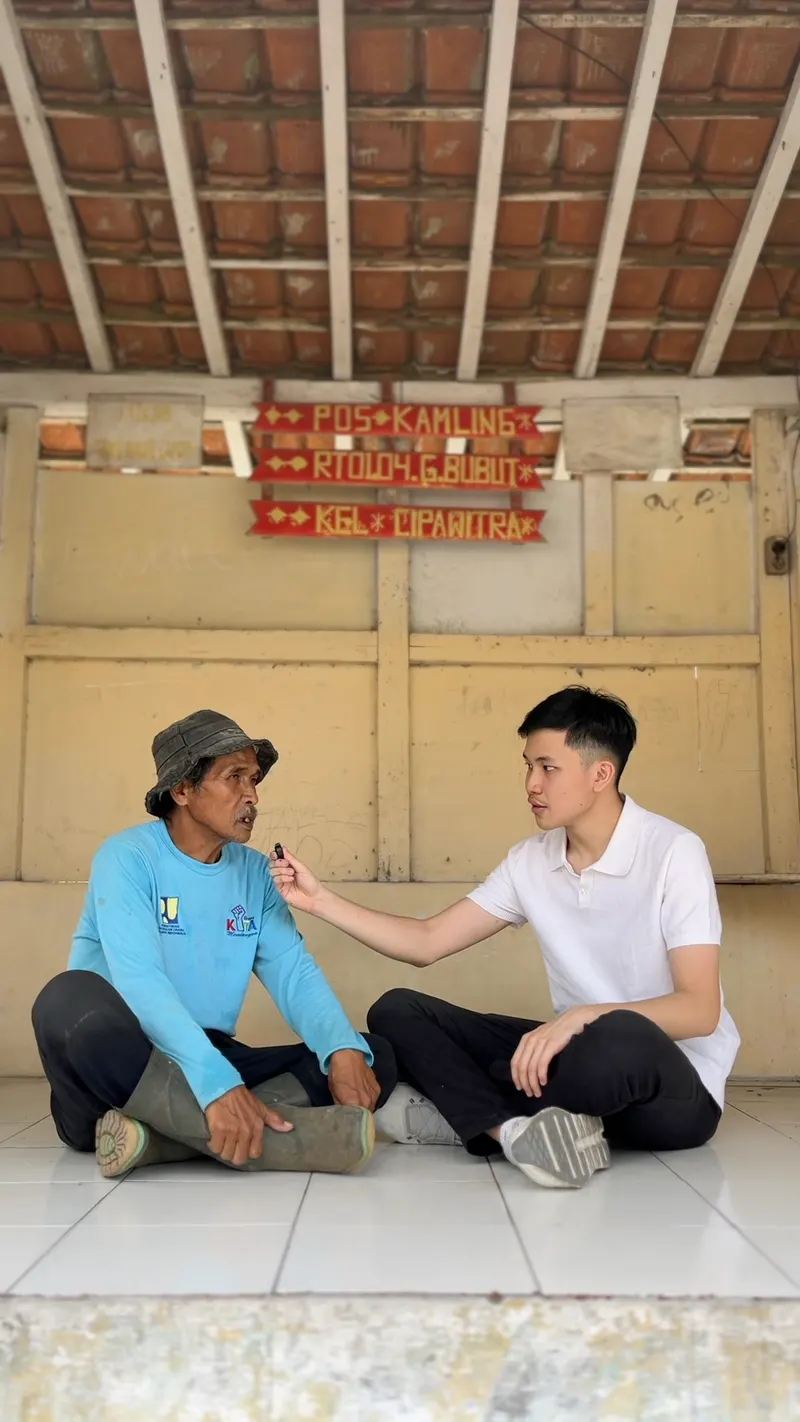
Interviewed, and named
Dudu Suhada
Resident of Cipawitra. Interviewed on camera for “What they said?”
Published on the project's Instagram
( 02 )
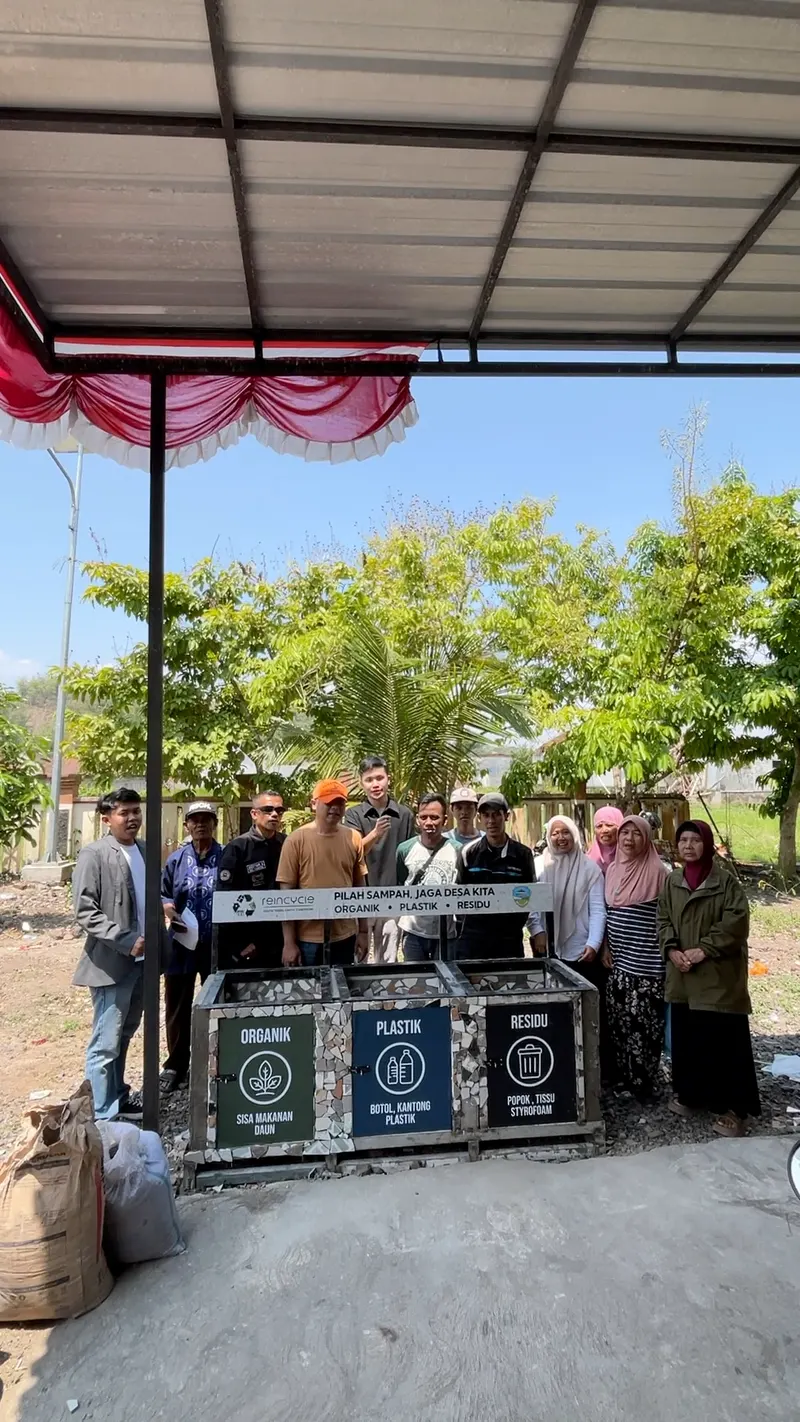
Kelurahan Cipawitra office
What they did
- Received the first formal visit before any design existed.
- Walked the neighbourhood with the project.
- Confirmed the installation of nine units in writing.
What they decided
Where public units could stand, and what the kelurahan would confirm.
Interviewed, and named
Sri Nuryeni
Lurah (head) of Kelurahan Cipawitra. Interviewed on camera; by the post's caption, about the bench and the waste bin
( 03 )
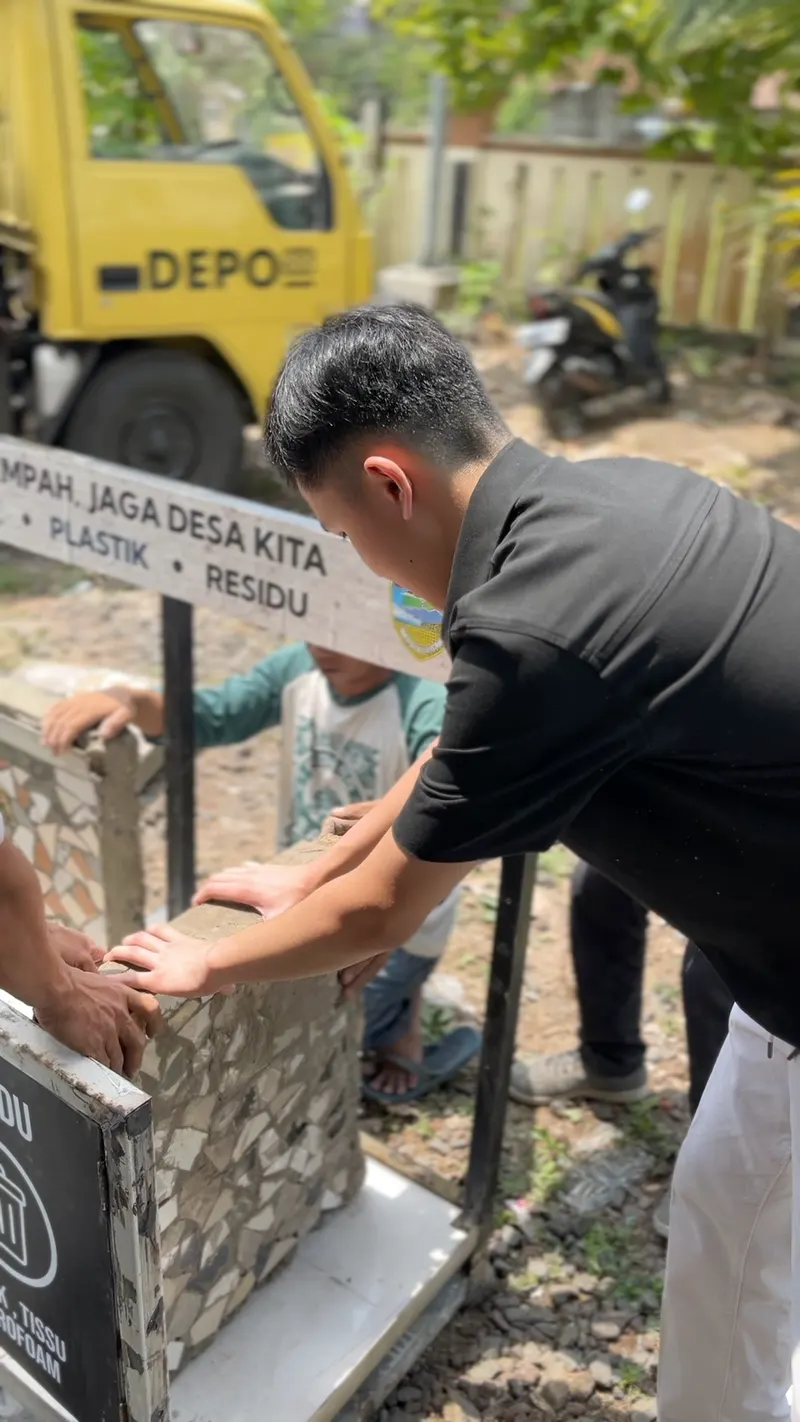
Local makers
What they did
- Criticised the first sketches on request; changed dimensions and joints.
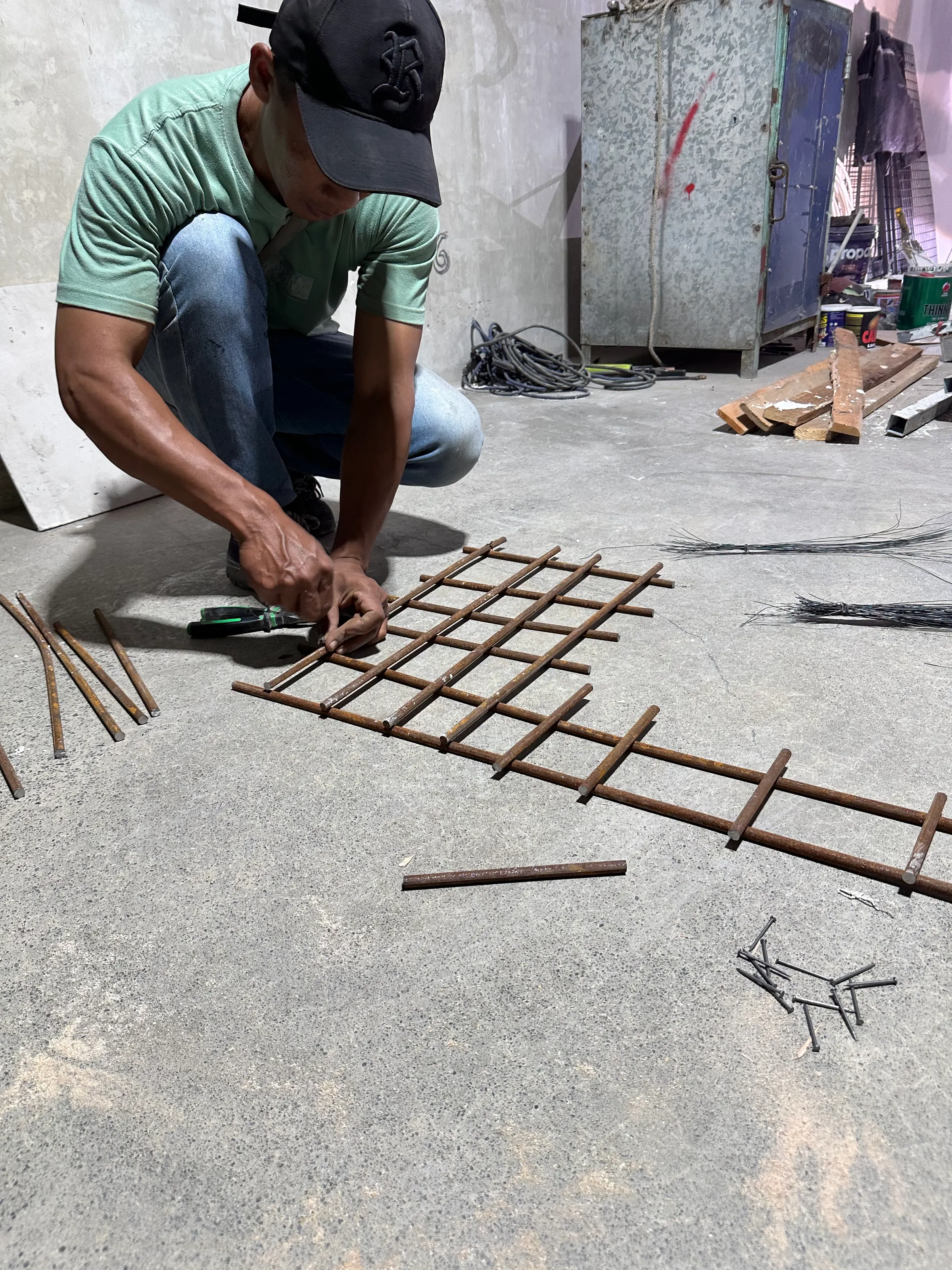
- Welded frames, set ceramic cladding, ground every reachable edge, finished and repainted.
- Began checking one another's work without being asked.
What they decided
How to build it safely, and when a piece of material was not good enough.
( 04 )
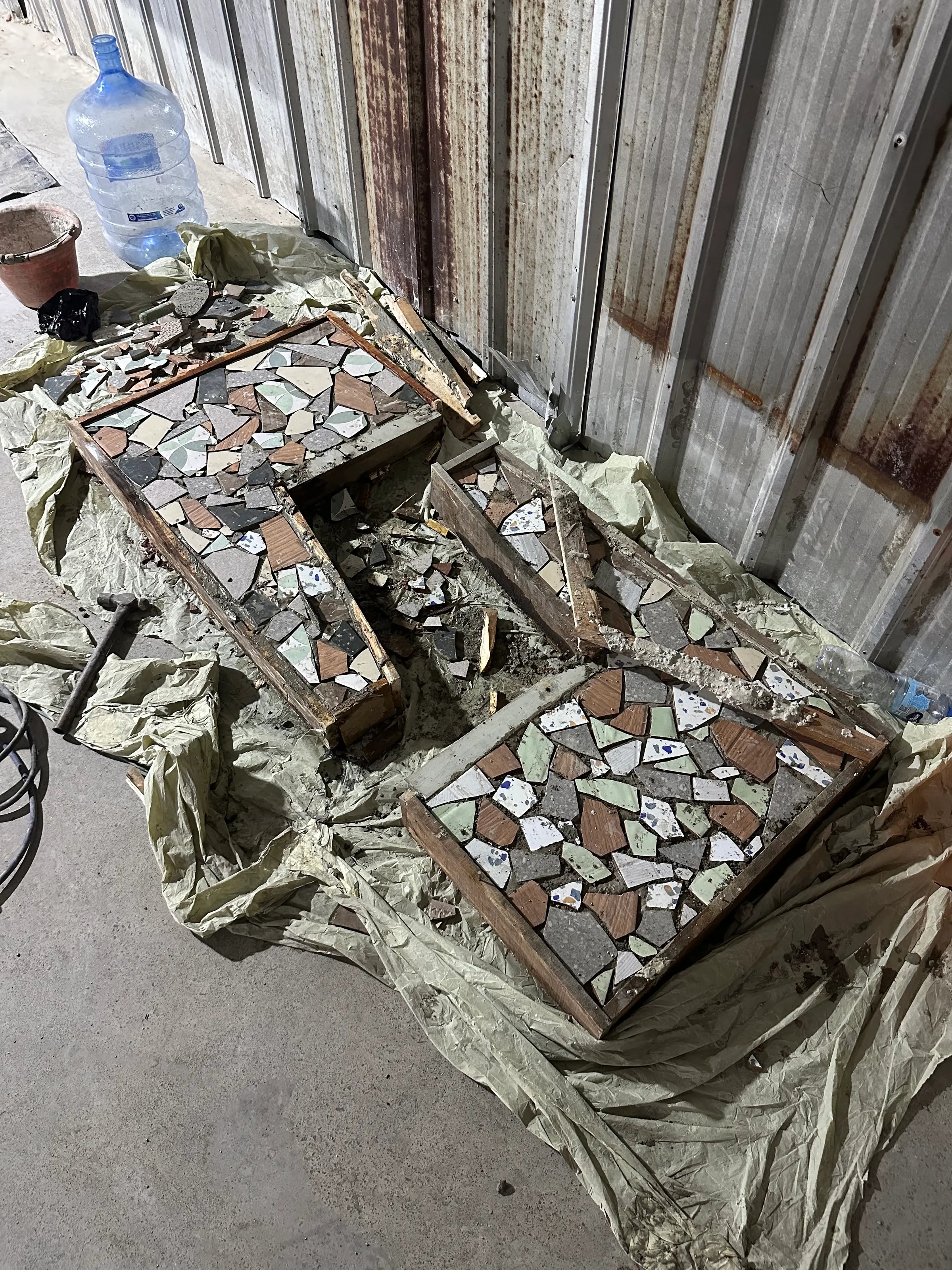
The family depot and its workers
What they did
- Donated unsellable tile, paving and brick, and workshop space.
- Senior workers explained what really happens to damaged stock and helped grade it.
What they decided
What could leave the depot as donated material.
( 05 )
Documentation team
What they did
- Filmed the process from 2026, under a brief that forbade scripted praise.
- Published the series on Instagram: 20 posts at the last count.
What they decided
What to film and what to leave out; never what people should say.
( 06 )
Founder and project lead
What they did
- Asked the first question about the depot's unsellable stock.
- Went to the kelurahan and to residents before drawing anything.
- Declined to build a night-watch post and said so in person.
- Set the rule that reclaimed material is never load-bearing; hired makers; reviewed daily photos from abroad; sent one finish back.
- Wrote down what the project has not measured.
What they decided
Scope, safety rule, who to hire, and what not to claim.
Consent and representation
How people appear here
- A person is named only where their name is shown on screen in an interview the project has published, and the project owner has confirmed it. The owner states that the people interviewed gave permission in writing. Everyone else appears as a role. Photographs that show a recognisable face are published on the owner's statement that the written permission covers them; the letter itself is not yet on file here. A caption says only what can be seen, never who a person is, and any photograph is removed on request.
- We do not script testimonials. Quotes, when they appear, are recorded and attributed with permission.
- Residents are collaborators who named the need, not beneficiaries who were helped.
- Anyone pictured may ask for an image to be removed at any time.